The Return on Clarity: How Brand Strategy Pays Off in Commercial Real Estate
By Matt Dean, Co-Founder & CEO of Dean&Co, and Zane Cassidy, Creative Director of Dean&Co.
Brand Strategy Is a Business Tool, Not a Design Exercise
We’ve built a methodology that guides clients through a deliberate and structured brand strategy process. This process is designed to create alignment, efficiency, and clarity before a single visual element is produced.
The immediate reaction? It’s often that brand strategy sounds like a significant but expensive delay when speed to market matters. But consider that most CRE projects will spend months in planning, design, and predevelopment anyway. Our brand foundation process runs parallel to these phases, not in addition to them.
Our case studies consistently show that when a strong brand foundation is in place, it impacts the entire development pipeline. It affects how decisions are made, how teams collaborate, and how quickly projects move forward.
Brand strategy becomes an operating system for the project. It provides a shared language and a unified direction for developers, architects, marketers, leasing teams, and external partners.
Case in Point:
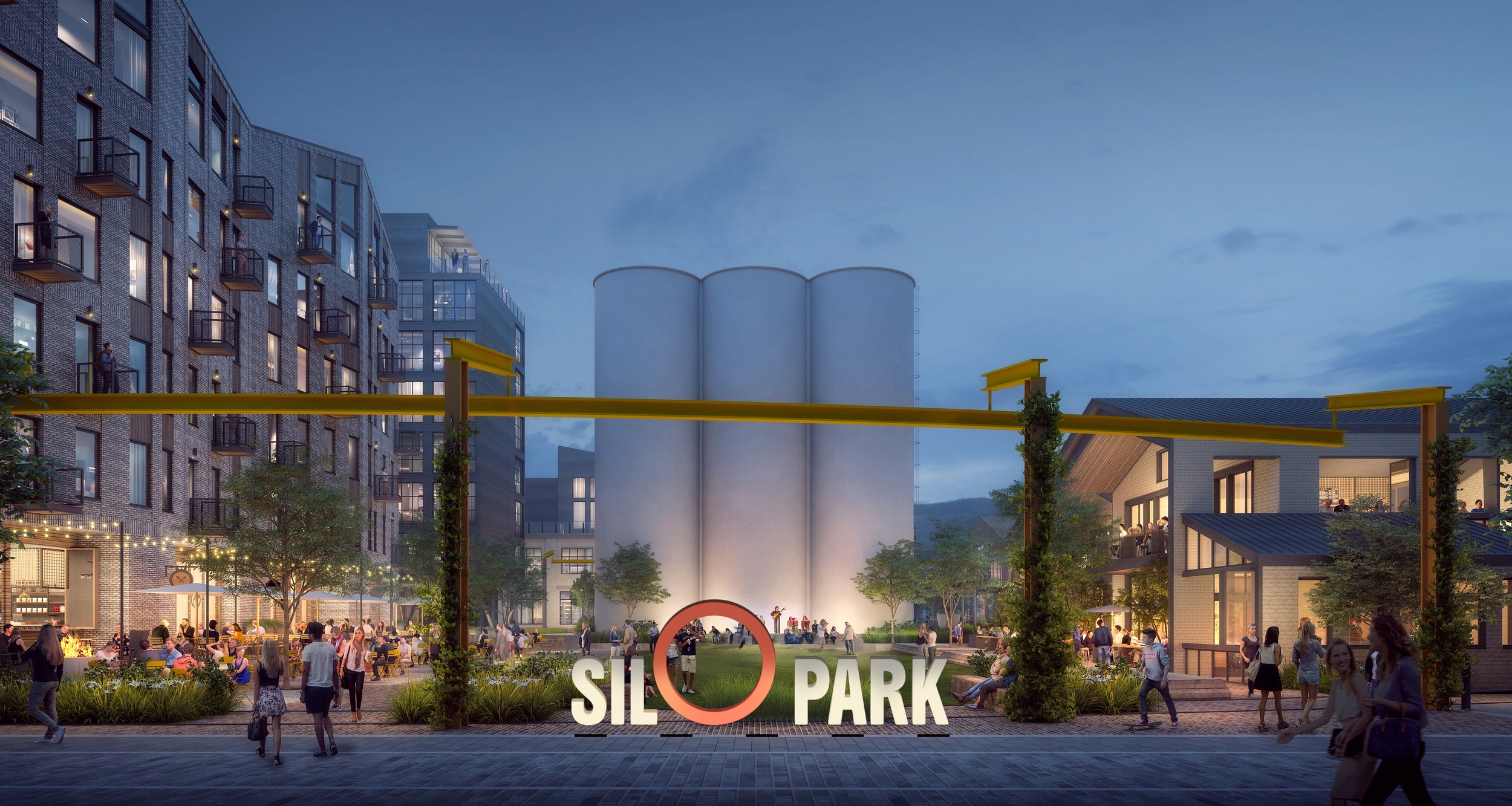
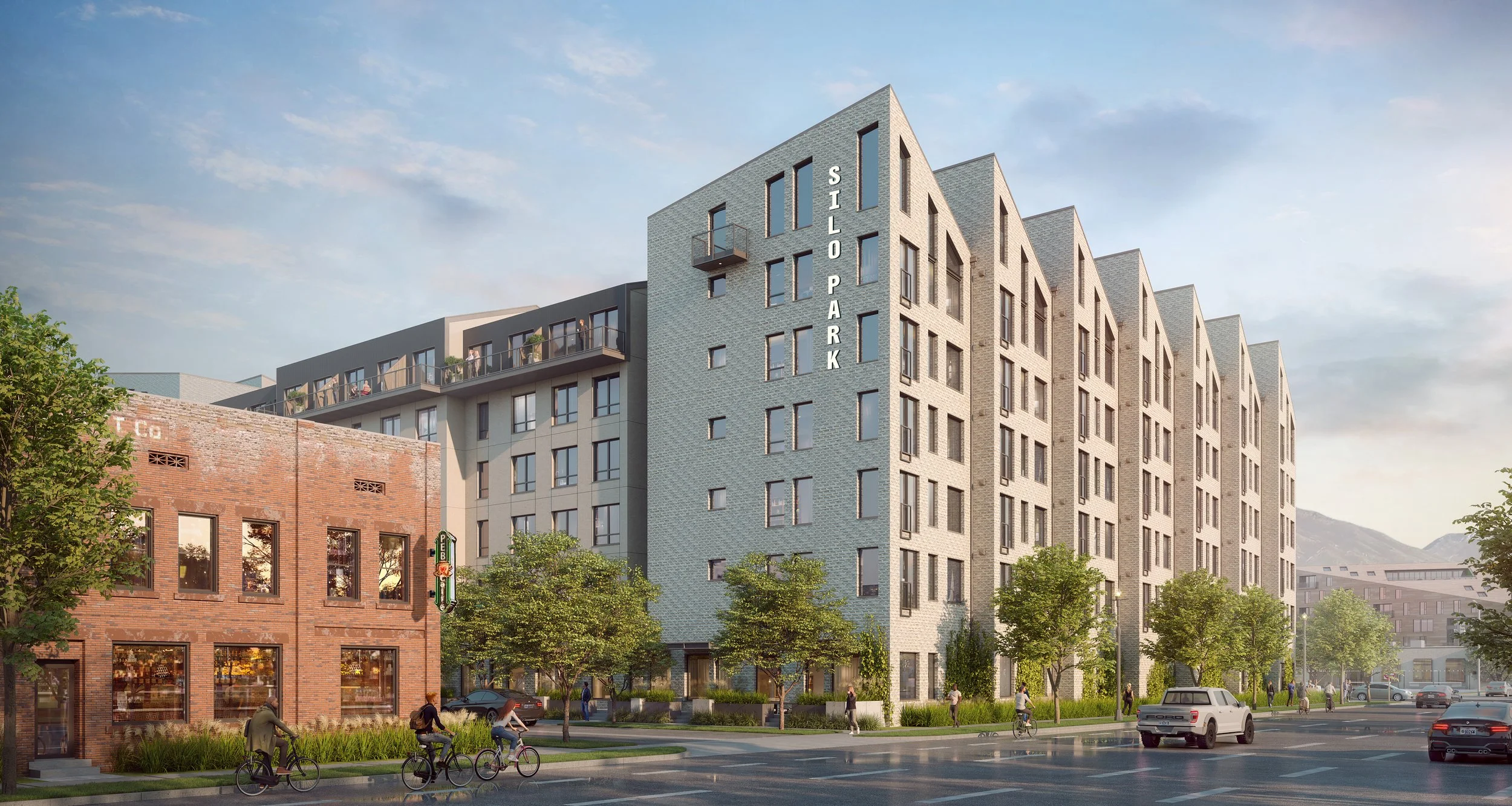
Silo Park in Salt Lake City shows what happens when you start early enough for brand strategy to influence everything. We implemented a proper brand strategy that was new to the client, and once the branding was complete, they immediately began updating architecture packages, interior design packages, and the leasing experience to enhance their delivery to the marketplace. The brand foundation gave their entire team a clear understanding of what each building and the neighborhood stood for.
The Real ROI: Return on Clarity
We define the true return on branding as return on clarity.
Return on clarity means establishing a clear North Star through brand strategy—one that defines the vision, mission, values, and positioning of a project. When every team understands what they are building and why they are building it, decisions become faster and more consistent.
In commercial real estate, time is money. Development timelines are long, and delays create compounding costs. When teams lack clarity, projects slow down. Meetings multiply. Revisions increase. Conflicting ideas surface.
A strong brand strategy prevents this. It creates a decision-making framework that allows teams to move forward with confidence rather than debate direction at every stage.
The result is not just better branding—it is operational efficiency and hidden financial value added to the pro forma through time saved and missteps avoided.
Brand Alignment Across the Development Pipeline
Without a brand foundation, teams often make well-intentioned but misaligned decisions. Over time, this creates confusion about what the project is meant to be. That confusion leads to rework, hesitation, and diluted outcomes.
With a defined brand strategy in place, every stakeholder operates from the same standards and objectives. Even when working independently, teams remain aligned because they are guided by the same North Star.
This alignment allows projects to move through the pipeline more seamlessly—from concept to design to leasing to launch—without losing coherence along the way.
Branding the Built Environment as Lifestyle
Brand strategy does not only affect internal teams. It directly shapes what consumers experience once a project is delivered.
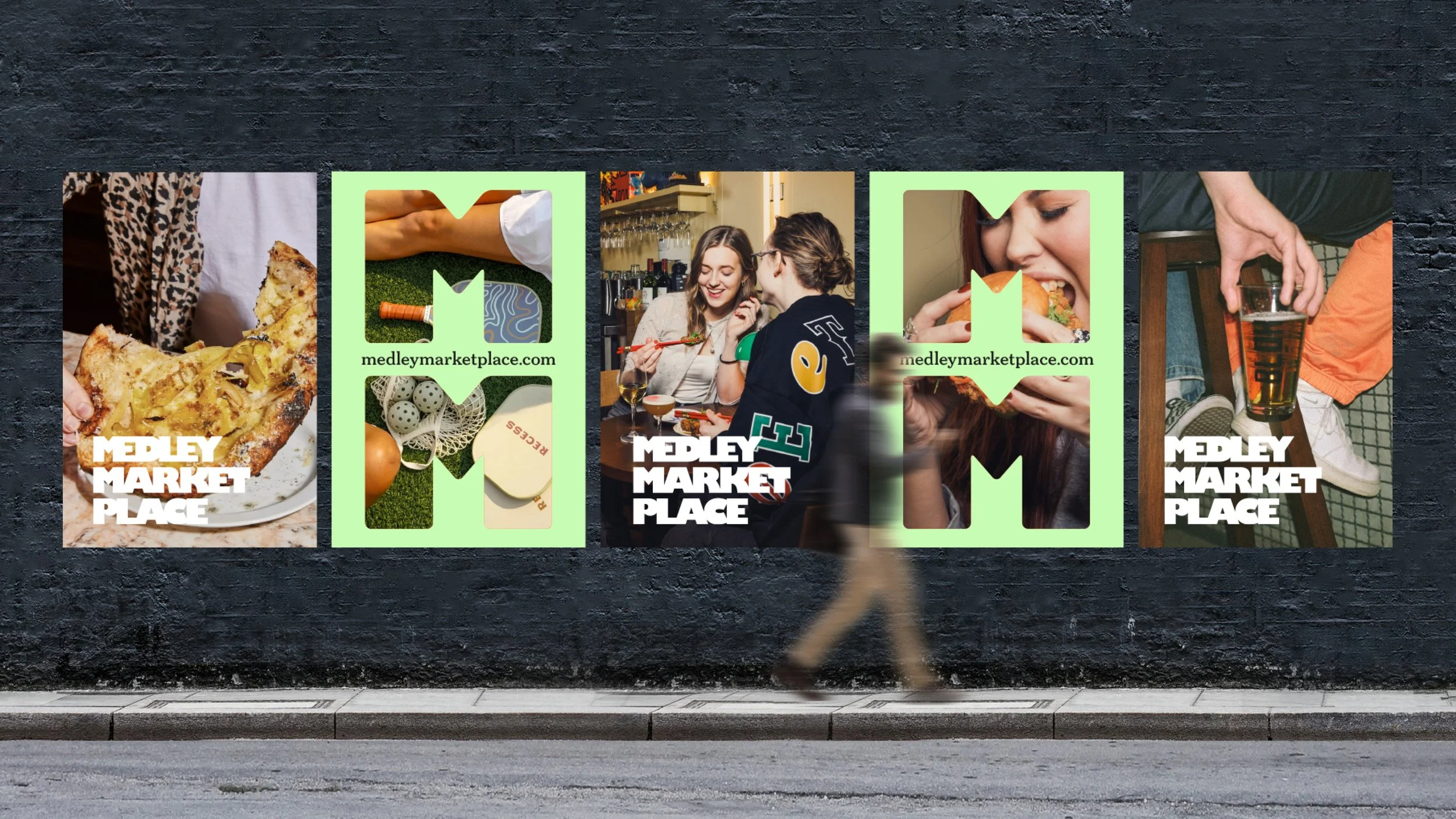
At Dean&Co., we believe the built environment should be branded with the same discipline as global consumer brands. We approach real estate branding the way companies like Nike or Audi approach product branding—by aligning the brand with a lifestyle.
When a project aligns with the lifestyle of its target audience, it becomes more than a physical place. It becomes part of how people identify themselves. It becomes somewhere they bring friends and family. Somewhere they feel proud to associate with.
This is how developments become destinations. They evolve into “third places” within a city—environments that foster community, connection, and repeat visitation. Over time, they gain cultural relevance, media attention, and organic advocacy from the people who use them.
Differentiation Through Strategy, Not Decoration
True market differentiation does not come from aesthetics alone. It comes from understanding who the project is for, what problem it solves, and how it fits into the lives of its audience.
Brand strategy defines that positioning. It allows projects to expand beyond a single tenant or moment in time and grow through programming, events, campaigns, and long-term engagement.
Brand strategy is about creating a framework of behavior. It leads to clarity that allows you to know what programming you should do versus what you shouldn't, what services to create, and what partnerships make sense. All while staying true to the brand and the people you serve. This goes back to an essential part of what branding is supposed to do: create consistency, which creates familiarity, which creates trust.
Without a strategic foundation, growth becomes reactive. With it, growth becomes intentional and scalable.
Case in Point:
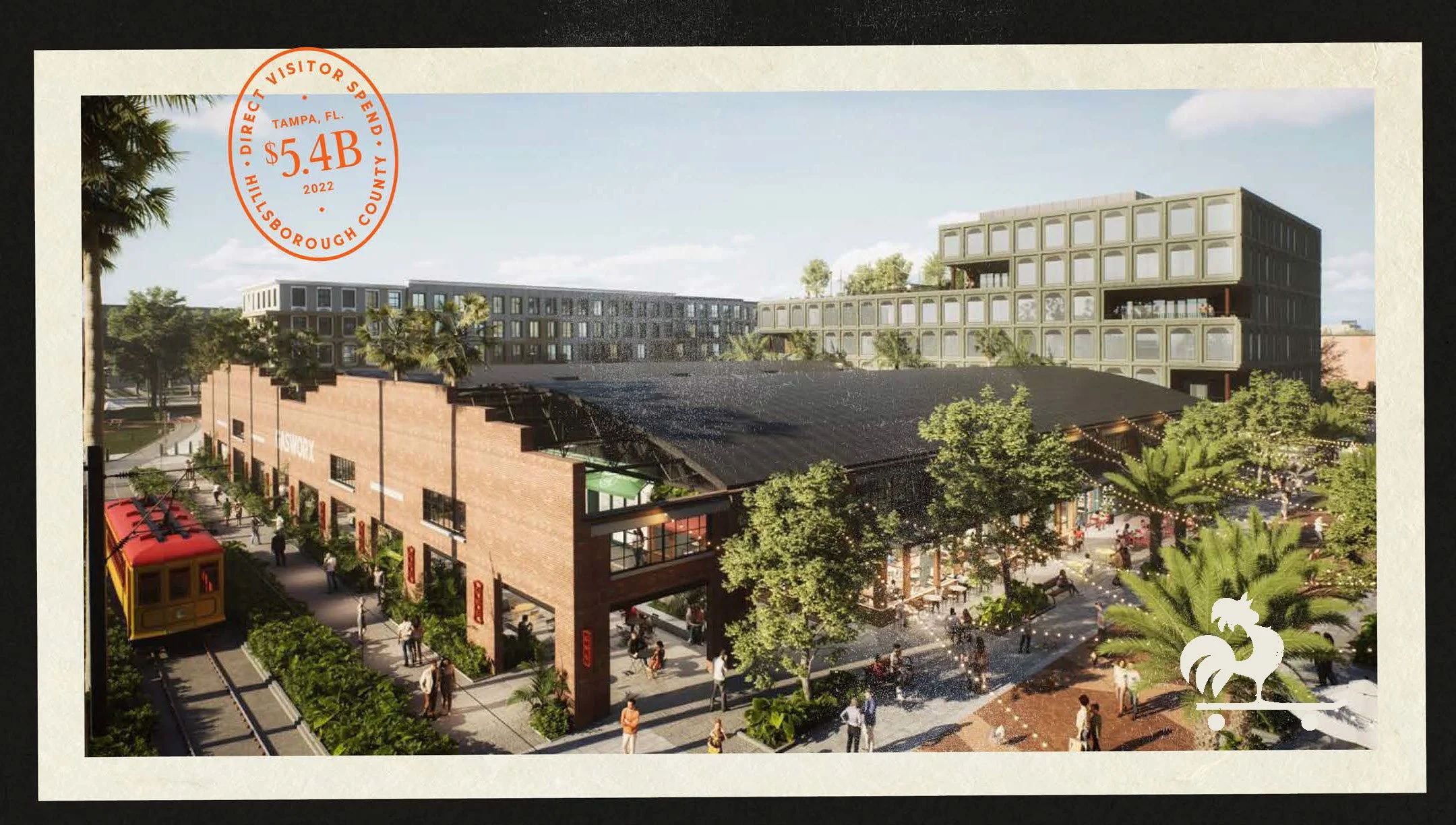
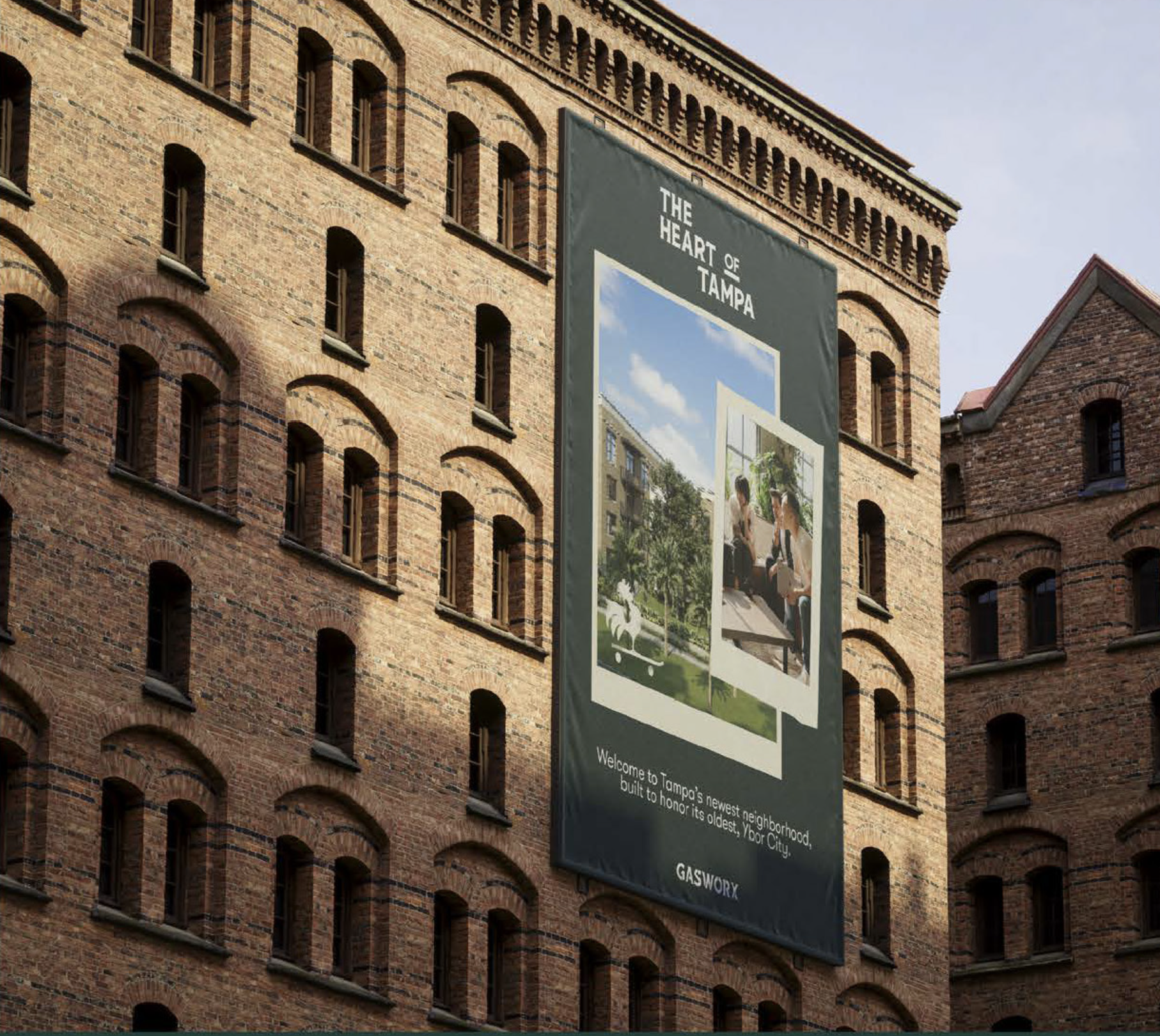
Take Gasworx in Tampa, where they had a "brand" (logos, colors, etc.), but it lacked the depth needed to guide a team and deliver return on clarity. We redesigned the table stakes brand assets, but more importantly, we built a strategy that gave the brand a distinct point of view based on historical fact and respect for the community. This led to names and unique identities for numerous buildings within the district, creating consistency and collaboration that makes it easier to lease-up and manage ongoing content creation.
The Hidden Work That Creates Visible Value
The brand foundation process is extensive because it connects every part of the business, the built environment, and the consumer experience. It is the invisible work that enables visible success.
One pain point we see consistently: collaboration breakdown. Clients are often paired with other stakeholders who don't always communicate well. This includes other agencies and vendors. Our brand strategy process is designed to bring everyone along on the same journey. Yes, clients get their brand assets, but they also get a service that takes them from predevelopment through stabilization with a clear playbook everyone can follow. This helps to submit packages to the city that are clear (and beautiful), get entitlements quicker, and raise capital.
This process uncovers opportunities that are often overlooked. It clarifies messaging. It reduces friction. It establishes consistency. And it ensures that every future decision supports the same long-term objective.

Branding as a Long-Term Investment
When brand strategy is done correctly, its return is not limited to launch. It continues throughout the life of the asset or organization.
A strong brand foundation delivers:
Faster decision-making
Greater operational alignment
Reduced development risk
Stronger consumer connection
Increased long-term equity
Most importantly, it creates clarity—now, throughout development, and for years to come.
At Dean&Co., we view branding as an investment in performance, not presentation. When strategy leads, everything else works harder.
That is the true return on branding.
And that is the power of return on clarity.